

Ongoing | From March 3, 2026
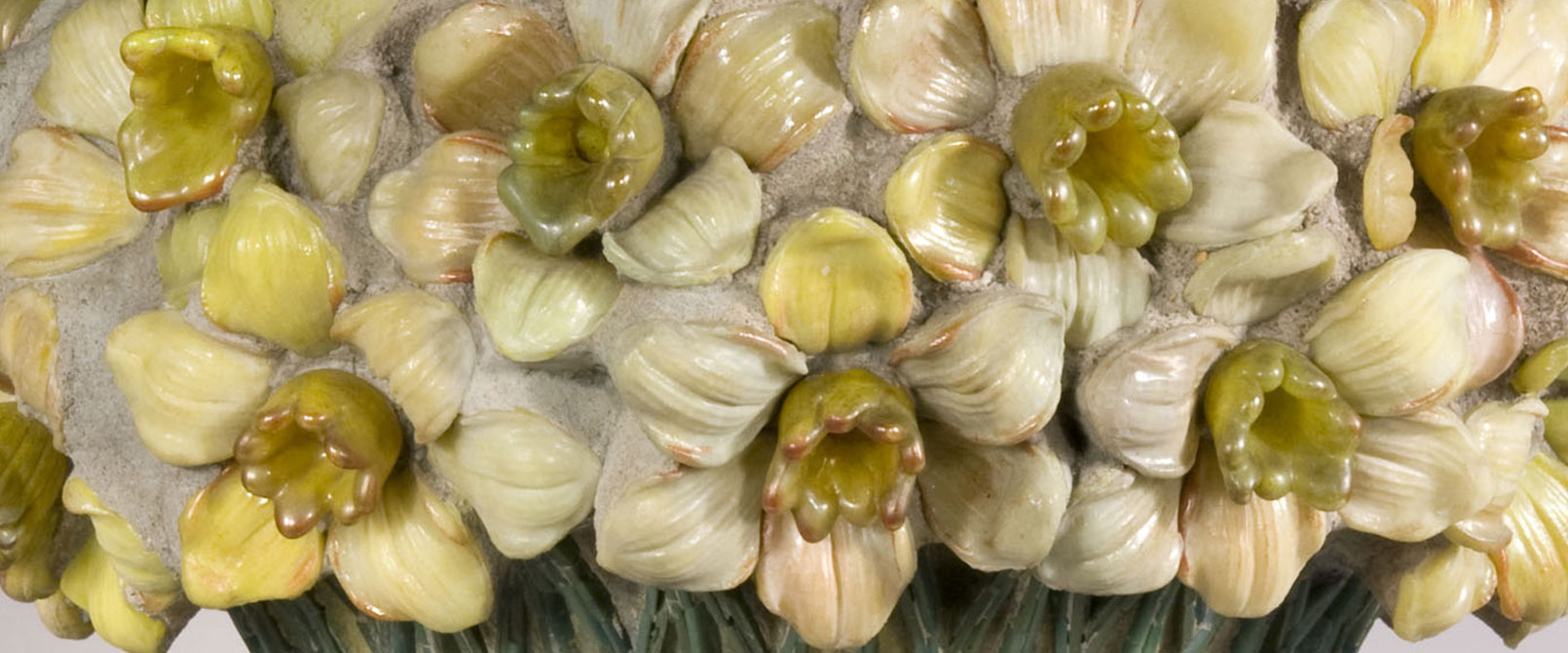
A bridge between fashion and art, jewelry is a unique avenue for the expression of personal style and sentiment. In the nineteenth and twentieth centuries, the Morse, Genius, and McKean families assembled a varied and important collection of jewelry that reflects major artistic movements and represents a diverse range of makers. Handpicked highlights the family’s personal heirlooms and collected jewelry pieces, enriched by archival photographs that document their meaning and use.
Ongoing | From March 3, 2026
From the seventeenth century, art exhibitions known as salons were important social and cultural events. Characterized by their floor-to-ceiling or “salon-style” hanging, these visually rich presentations fostered art appreciation and shaped the careers of emerging and established artists. This exhibition takes the form of a salon, featuring a variety of paintings from the Morse collection.
Ongoing | From March 3, 2026
Though lauded for his innovations in glass, Louis Comfort Tiffany (1848‒1933) began his artistic career as a painter and continued the practice throughout his life. This exhibition showcases his paintings and continuous exploration of color and light in the medium.
Ongoing | From October 14, 2025
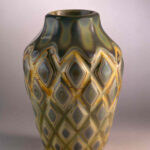
Louis Comfort Tiffany’s art glass pieces, introduced to the public in 1893, were an avenue for his most innovative and daring experiments in glass. By the turn of the century, Tiffany (1848‒1933) and his artisans were experts of technique, producing nearly any texture, color, or form. This installation brings together examples of the artist’s mastery of textured effects, from smoothly cut Agate glass to pitted and organic Lava glass.
Ongoing | From October 14, 2025
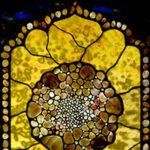
In the nineteenth century, opalescent glass introduced an entirely new painterly and naturalistic aesthetic to the stained-glass industry in America. Artists at the forefront of the opalescent era, such as Louis Comfort Tiffany (1848–1933) and John La Farge (1835–1910), pioneered new techniques for coloring and forming glass, innovations which shaped public taste and distinguished American stained glass from its European counterparts. Breaking Tradition explores this dramatic shift and the ways artists adopted and broke from convention to redefine a centuries-old medium.
Ongoing | From October 15, 2024
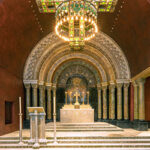
The celebrated chapel interior that Louis Comfort Tiffany created for exhibition at the 1893 World’s Columbian Exposition in Chicago opened as an exhibition at the Morse in April 1999, becoming available to the public for the first time in more than 100 years. The mosaic and glass masterpiece, a testament to his design genius, established Tiffany’s reputation internationally.

Ongoing | From March 4, 2025
World’s fairs were an international tradition intended to celebrate the industrial and cultural achievements of various nations. Throughout the 19th and 20th centuries, visitors to these exhibitions were treated to magnificent presentations of art, science, manufacturing, and more. This vignette takes the form of a turn-of-the-century world’s fair display, including glass, art pottery, and furniture, as well as world’s fair ephemera from the Morse’s collection.

Ongoing | From March 4, 2025
Before the advent of emails, text messages, and other forms of digital correspondence, the letter was the primary form of written communication. Arts and Letters explores the art of letter writing, and the ways in which Americans of the 19th and 20th centuries used the written word for both communication and creative expression. This exhibition brings together a diverse group of objects and archival materials, including paintings like William Paxton’s The Letter, writing instruments, and letters.
Ongoing | From October 17, 2023
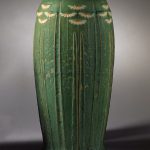
This exhibition focuses on the variety of materials created within the Arts & Crafts genre that helped to create uniform and warm environments. Distinctive furniture, metalwork, and design created during the turn of last century is on view alongside a selection of Grueby Pottery (1897–1913), including a pairing of a Grueby lamp base with a Tiffany Studios (1902–32) leaded-glass lamp shade.

Ongoing | From March 7, 2023
The new installation of Lamps and Lighting—Tiffany and His Contemporaries showcases some of Tiffany’s most innovative designs for lamps and sets a context for their production and design.

Ongoing
This comprehensive exhibition on Louis Comfort Tiffany’s celebrated Long Island home, Laurelton Hall, features the restored Daffodil Terrace and approximately 200 objects from or related to the estate.

Ongoing
Reflecting on his artistic career at a celebration of his 68th birthday in 1916, Louis Comfort Tiffany characterized his work across various media as a lifelong “quest of beauty.” Few artists have been as energetic or as successful as was Tiffany (1848–1933) in establishing that aesthetic ideal in the American home. Louis Comfort Tiffany’s Life and Art examines through art objects, archival documents, and artifacts Tiffany’s astonishingly diverse work in the decorative arts over the course of his lifetime.

Ongoing
A newly acquired c. 1885 Tiffany iron fireplace hood from Laurelton Hall, Louis Comfort Tiffany’s celebrated Long Island home, enriches the Museum’s Laurelton Hall galleries that contain the largest repository of art and architectural objects from Tiffany’s legendary estate. Thought to be lost to the fire that consumed much of the estate in 1957, the fireplace hood was one of his most cherished objects. The hood was originally designed, fabricated, and installed at Tiffany’s Seventy-Second Street house in New York City. Around 1919, he had the fireplace hood removed and brought to Laurelton Hall. The Morse Museum’s installation of the massive fireplace hood, measuring over 66 inches tall and 55 inches wide, recalls its original setting in New York City.

Ongoing
This exhibition provides a comprehensive look into the rare pottery of Louis Comfort Tiffany (1848–1933). Largely produced between 1900 and 1915, Tiffany’s art pottery was encouraged by the 1900 Paris Exposition Universelle and the reverberations of the Centennial International Exhibition of 1876 and ultimately defined by the artist’s never-ending experimentation. Complex glazing and unconventional forms distinguished Tiffany’s creations from the stylish pottery of the time. Only 2,000 pieces are thought to have been produced by Tiffany, and even fewer survive today. The Museum’s collection is the largest public collection of Tiffany pottery anywhere.

Ongoing
Through photographs, models, tools, and art objects, this teaching exhibit shows the range of Louis Comfort Tiffany’s glass production, from mosaics and molded-glass jewels to leaded-glass windows and lamps, providing insights into the techniques employed by his artisans.